
News & Insights
Hydraulic Design in Electric Battery Equipment
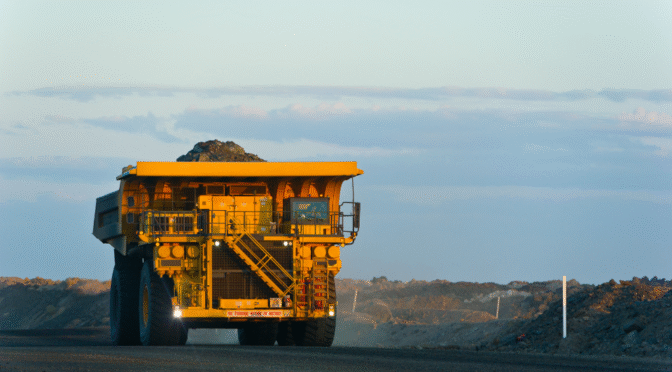
Transitioning From Diesel to Electric Power in Heavy Industries
The landscape of heavy industry is undergoing rapid transformation as diesel-powered machinery gives way to electrified systems. This change is driven by the need for more efficient, sustainable solutions that minimise energy waste while maintaining high operational standards. Hydraulic design in electric and battery-driven equipment plays a vital role in this shift, enabling precise, reliable performance across sectors such as mining, construction, transport, and materials handling.
As these sectors continue adopting electric power solutions, the need for well-engineered hydraulic systems that match the operational expectations set by diesel predecessors while significantly reducing environmental impact presents a significant challenge.
Diesel has long been favoured in mining, construction and transport applications for its high power output and durability under demanding conditions. However, with new energy goals and ESG reporting standards, businesses are accelerating toward electric systems.
At Custom Fluidpower, our systems design engineers specialise in creating integrated electro-hydraulic and control solutions that meet the performance expectations of modern electrified equipment.
Key benefits of electric systems include:
- Enhanced safety: Lower noise, zero exhaust fumes, and improved control systems create safer, cleaner working environments—especially in underground mining and enclosed facilities.
- Reduced emissions: Electric battery systems eliminate tailpipe emissions, supporting corporate sustainability targets.
- Lower operating costs: Fewer moving parts and less maintenance reduce whole-of-life costs.
- Improved efficiency: Modern electric motors provide faster, smoother response and greater energy recovery potential.
These gains are particularly attractive for mining operations using drill rigs and conveyors, or materials handling tasks, where container cranes and ship loaders are increasingly designed with electrification in mind.
Nevertheless, this evolution also demands significant changes to system architectures: Hydraulic systems remain critical to the mechanical function of these machines but must now align with the characteristics of modern electric powertrains.
To do this effectively, hydraulic design must evolve with focus on component selection, system efficiency and operational safety.
Critical Components for Efficient Electro-Hydraulic System Design
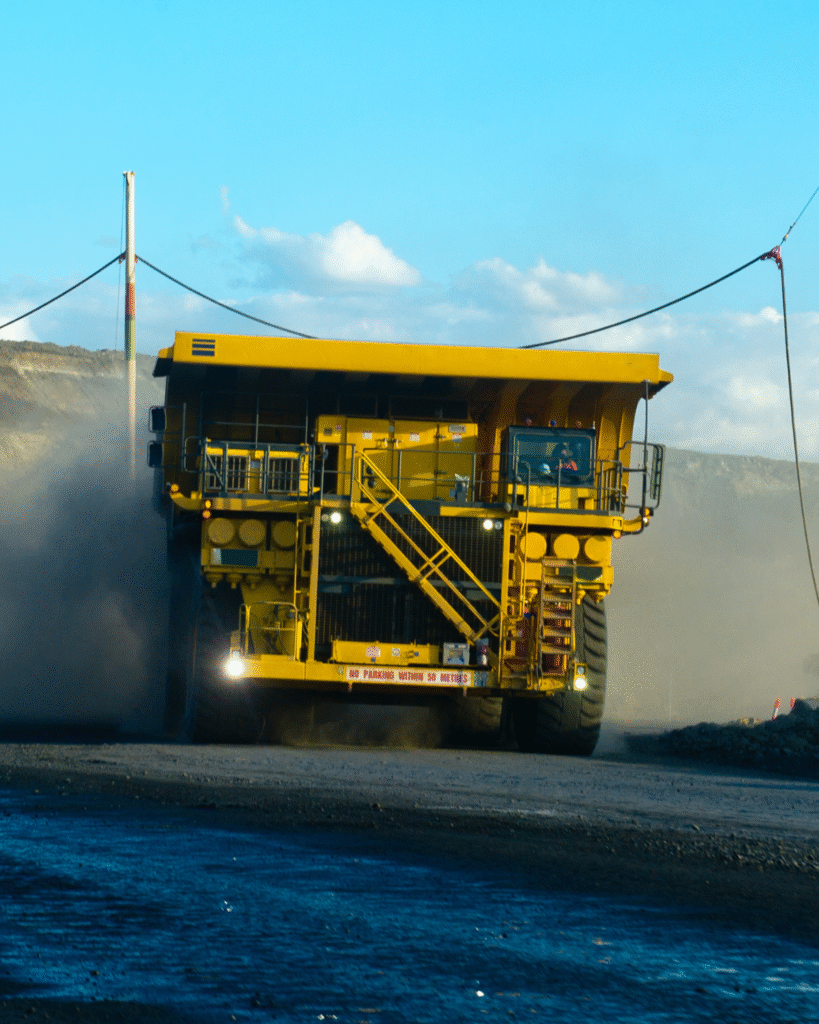
To capitalise on electrification, hydraulic system design must evolve. Efficiency and safety depend on every detail – from component selection to fluid flow.
At the core of efficient hydraulic systems for battery-electric equipment are precision-engineered manifolds and valves. These components play a central role in performance, streamlining hydraulic circuits and minimising energy loss. Brands like Sun Hydraulics and Danfoss supply proven technologies that help build hydraulic platforms suited for electric applications in industrial equipment.
Manifolds streamline hydraulic circuits by integrating multiple flow paths into a single compact system. This consolidation reduces the number of connection points and simplifies assembly, both of which contribute to lower internal leakage, better pressure management and space savings – key priorities when energy availability is limited by battery capacity.
Valves are responsible for fluid direction control, maintaining system balance and safeguarding performance in variable conditions. Precision flow management ensures that each actuator or motor receives required pressure and flow, avoiding inefficiencies that can drain power or cause unnecessary wear and tear.
One component of particular importance in battery-electric systems is the load-control valve. These valves improve overall energy usage and stability by accurately managing loads during lifting, lowering or holding operations. They help prevent unintended movement and pressure spikes, extending system life while improving equipment responsiveness.
Electric machinery in mining, agriculture and marine applications can achieve measurable performance benefits when engineered with purpose-built manifold and valve assemblies.
Key design advantages include:
- Reduced leak paths and simplified maintenance
- Improved stability under variable loads
- Lower weight and optimised energy use
- Enhanced reliability in harsh conditions
Optimising System Design for Maximum Efficiency
Maximum efficiency is not the result of component choice alone, but through whole-of-system engineering that supports every operational goal, from fluid management to energy consumption.
Custom Fluidpower works closely with clients across a range of Australian industries to develop configurations that meet site-specific requirements. A critical part of this process involves mapping fluid circuits to streamline flow, eliminate energy loss and reduce pressure drops.
Well-designed systems place components strategically to reduce hose lengths, minimise bends and remove unnecessary restrictions. This improves fluid dynamics, optimises cooling requirements and leads to longer service intervals. Energy losses due to friction and resistance can be significant in poorly structured systems, especially when every kilowatt consumed by a hydraulic pump must be supplied by a finite battery source.
Undersized or oversized component selection can result in heat build-up, wasted energy or erratic performance. By modelling operating conditions and load cycles, systems can be tuned precisely to real-world scenarios. This method ensures optimal performance under variable work cycles, especially with equipment like draglines, transit mixers or underground conveyors.
Controlling hydraulic fluid quality through filtration design and maintenance plans is equally important. Clean, high-performance fluid limits internal wear, stabilises control and reduces unplanned shutdowns. These gains translate directly into enhanced safety and better output, strengthening the return-on-investment over the lifecycle of the equipment.
Learn how Custom Fluidpower’s experienced System Design Engineers tailor systems for site and machinery-specific requirements.
Smart Control Through Advanced Electronics
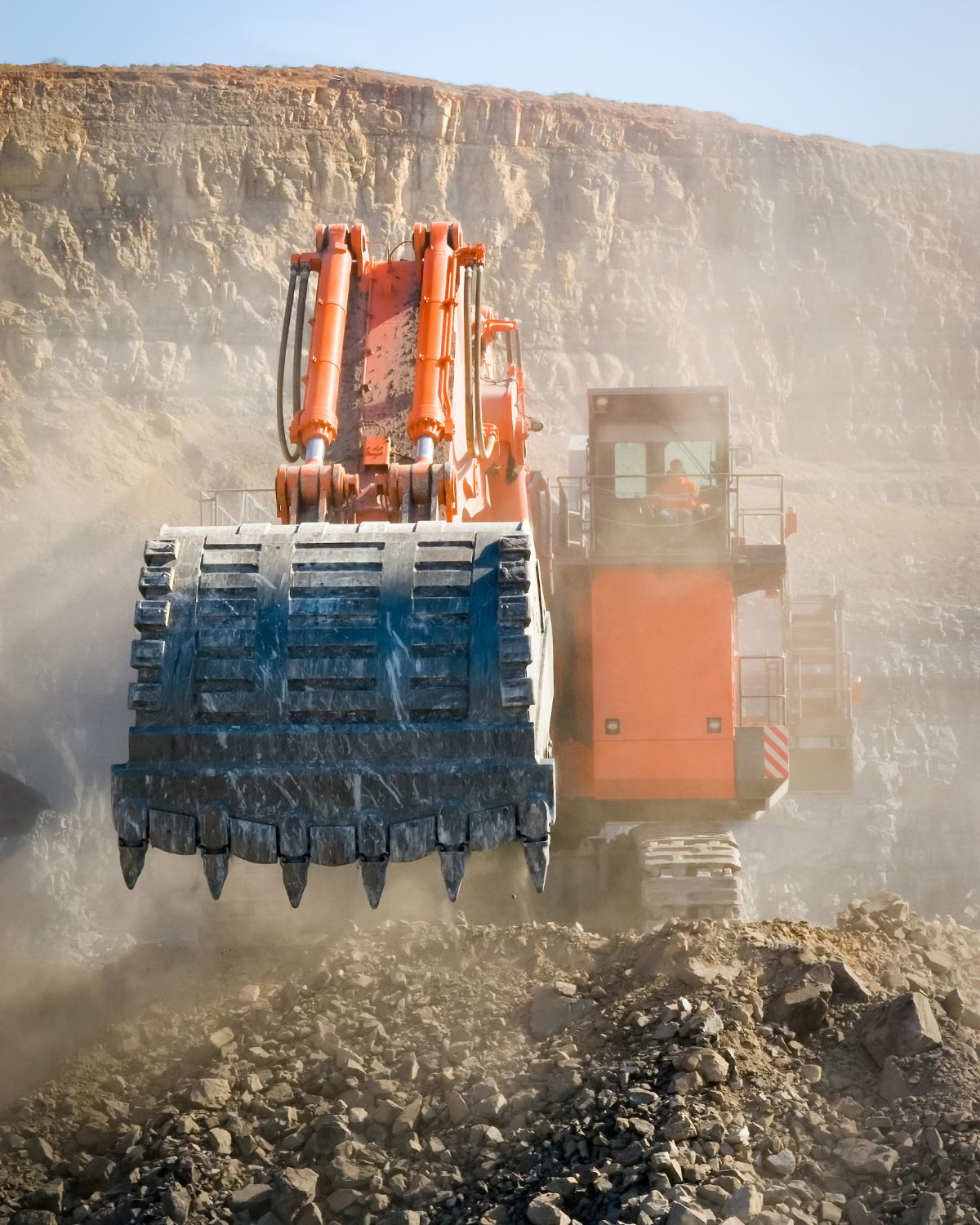
The integration of advanced controller hardware has emerged as a key enabling factor in the shift from diesel to electric-based equipment. These devices help unify electric drives and hydraulic circuits, forming a responsive and intelligent operational platform. Enovation Controls and Hydac produce high-reliability controllers used across industries requiring dependable performance in complex environments.
Electro-hydraulic systems used in flight simulators, agricultural field equipment and defence-sector machinery increasingly rely on intelligent controllers to execute complex movement patterns with precision. These controllers monitor sensor inputs, actuate valves in real time and detect faults before failure occurs. Their role is also evolving beyond basic point-to-point control.
Operators expect intelligent systems that offer real-time adjustment based on load, terrain or task, limiting unnecessary system demand by adjusting pump output, restricting flow or modifying lift cycles based on actual conditions. With strong diagnostics and feedback, these systems can identify inefficiencies immediately, minimising operational risk.
For electrically operated machinery in particular, controller hardware becomes even more important, as precise coordination is needed to balance electrical inputs with hydraulic power outputs. Failure to manage this synchronisation can lead to system lag, load instability or unplanned breakdowns.
By leveraging smart controller platforms, heavy-duty applications such as press systems, rail maintenance units or engine lifting equipment achieve higher accuracy, improved fault tolerance and better energy management.
Long-Term Gains Through Smarter Electro-Hydraulic Design
For operations investing in electric systems, efficient hydraulic design is more than a performance upgrade. It supports regulatory alignment, stakeholder confidence and long-term cost savings.
A lower environmental footprint is now a strategic driver in sectors such as green energy, transport and industrial logistics. Hydraulics engineered for energy efficiency contribute to reduced emissions without sacrificing lift capacity, speed or responsiveness.
Long-term equipment reliability is another motivating factor. Efficiently structured systems reduce faults caused by overheating, component fatigue or fluid contamination. This directly lowers downtime while supporting better planning around fleet maintenance and system servicing.
Finally, efficient solutions built by experienced systems engineers help clients meet their sustainability goals without the need for complete machine overhauls. Through thoughtful hydraulic design, energy usage is lowered, and output is retained. This aligns environmental responsibility with business continuity, especially in geographically challenging or 24/7 operations like marine loading zones or sugar mills.
The Future of Electrified Hydraulics
Ultimately, hydraulic system design now holds a pivotal role in determining how successfully industries transition toward clean energy platforms. It is an important link between traditional mechanical capability and the demands of battery-electric innovation. With each new application, the value of a deliberately engineered system becomes clearer, from reducing energy waste to achieving greater operational consistency.
To further advance your projects and uphold high operational standards across Australia’s heavy industries, consider refining your systems with specialised systems design engineering. Custom Fluidpower supports this process by delivering innovative solutions that optimise hydraulic functionality, improve efficiency, and reduce energy waste.
Contact our systems design team to strengthen your approach to performance and sustainability with engineering expertise tailored to meet the evolving demands of electrified machinery.